
Read the match before you pick the team.
LetsGame is an independent editorial desk for fantasy sports readers in India. We publish guides, app help, scoring explainers, captaincy frameworks, and responsible play notes - not promotions and not unverified offers. Use the desk to plan, then choose where you play.
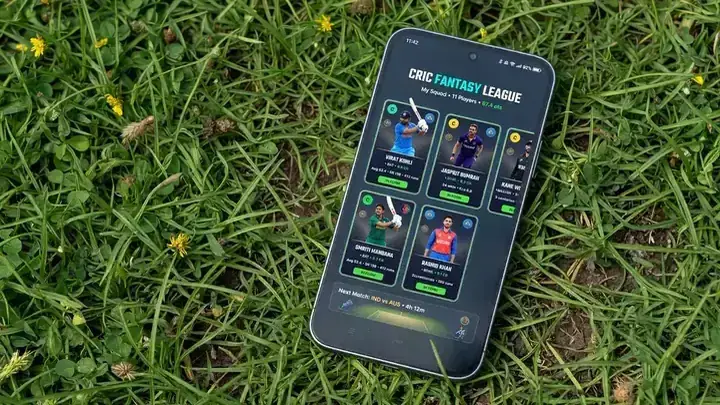
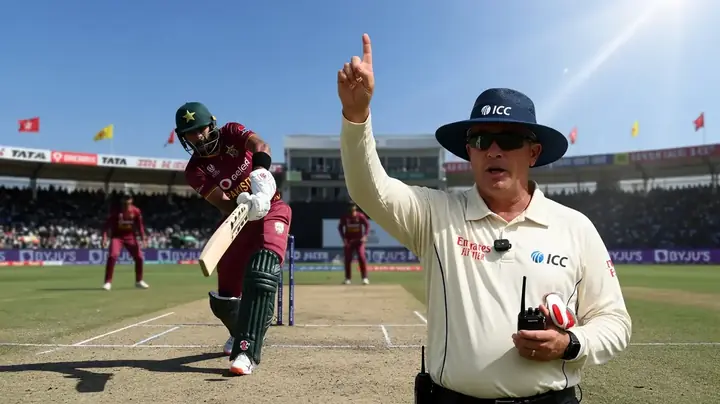
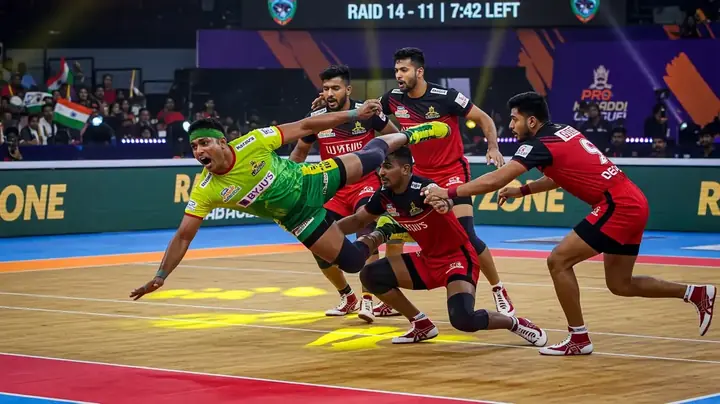
Photographs on the desk are a stand-in for the live playing situation. The article that follows explains what to look for, not which side to pick.
Quick actions hub
Read the onboarding walk-through
From eligibility check to the first lineup, in plain steps with screenshots and a glossary.
Read the walk-through → 02 · SCORINGDecode the points system
Tables for T20, ODI, T10 and Test. Worked examples for boundaries, wickets, economy, captain multipliers.
Open the scoring tables → 03 · CAPTAINSPick the captain with a framework
Floor, ceiling, opportunity, match-up and ownership risk. A reusable matrix instead of a hot take.
Use the captaincy matrix → 04 · PREVIEWSRead a pre-match preview
Dated previews with venue, conditions, probable roles, risk flags, and post-toss update notes.
Open a match preview →Pick the captain with a framework, not a hunch.
The most common reason a strong lineup finishes outside the points is a captaincy pick that ignores ceiling, floor, opportunity and ownership risk at the same time. The desk works through the same five beats on every match, and the order matters.
- Opportunity firstConfirm the role and the expected number of balls faced or overs bowled. Reputation is not opportunity.
- Match-up secondLook at the bowler the candidate is most likely to face in the powerplay and the death overs. Match-ups are specific, not generic.
- Floor, then ceilingA 25-point floor with a 90-point ceiling often beats a 50-point floor with a 110-point ceiling, especially in large contests.
- Ownership riskIf a captain is in 35 percent of teams, you need an outsized ceiling to gain. If a captain is in 8 percent, a moderate ceiling will move you up the board.
- Lock the lineup at the deadlinePost-toss swaps are tempting. They also break the framework. Lock at the deadline, then stop.
Why a T20 pick is not an ODI pick is not a Test pick.
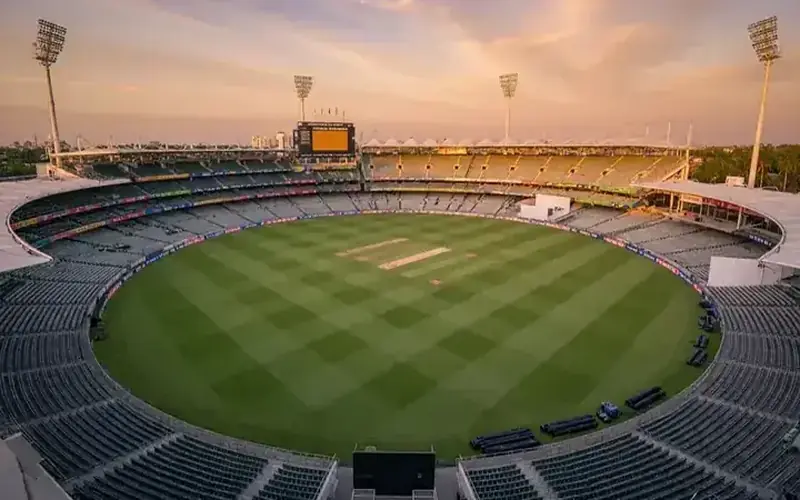
The scoring system changes the math of captaincy. In a T20, a top-order bat who faces ten balls in a low-scoring game is a different asset than the same player in an ODI where the same role can deliver a fifty. The desk treats format as a primary input - not a footnote. The annotated visual on the right calls out three facts you can reuse in any preview.
Formats also change the bowler math. In a T20, a bowler with two wickets in three overs is a different asset than the same bowler in an ODI with the same figures but ten overs of work. Read the format, then read the player, then read the contest size, then pick the captain.
 FORMAT-LED READING
The points table you can scan in thirty seconds.
The numbers below are an illustrative scoring system used to compare formats, not a guarantee of a specific operator's rules. Always cross-check the rules on the platform you play on before locking a lineup.
| Action | T20 | ODI | Test | Notes |
|---|---|---|---|---|
| Run | +1 | +1 | +1 | Same across formats |
| Boundary bonus | +4 | +4 | +4 | Per four hit |
| Six bonus | +6 | +6 | +6 | Per six hit |
| Half-century | +8 | +4 | +4 | Bonus on milestone |
| Century | +16 | +8 | +8 | Replaces half-century bonus |
| Wicket (pace or spin) | +25 | +25 | +16 | Test rewards longer spells |
| Economy under 5 (T20/ODI) | +6 | +4 | - | Minimum overs apply |
| Economy under 3 (Test) | - | - | +6 | Per-format threshold |
| Captain multiplier | 2x | 2x | 2x | Vice-captain 1.5x |
| Duck (batter) | -2 | -2 | -4 | Only if batter bats |
T20 captaincy profile
High ceiling, low floor acceptable. Powerplay and death-overs involvement matters more than average.
ODI captaincy profile
Balance ceiling with the ability to bat through. Anchor players carry value in large contests.
Test captaincy profile
Floor dominates ceiling. Volume of balls faced and overs bowled is the primary signal.
Format-agnostic rule
If a player has fewer than twenty balls of opportunity per match, treat them as a low-floor differential.
What readers ask the desk most often.
These questions are paraphrased from the reader mailbox. We do not name submitters, and we answer in the order the questions tend to arrive.
-
Is LetsGame an app I can download?
The desk has not verified an official LetsGame app on the Google Play Store or the Apple App Store as of 22 July 2026. Until a publisher, signature, and version are independently confirmed, treat any third-party download page with caution. Read the APK and download pages for the verification steps we recommend before you install anything.
Sources: App availability · APK and version checks
-
Do you publish guaranteed winning teams?
No. The desk does not publish guaranteed winning teams, and we do not accept payment to feature a specific lineup. We publish a framework, a captaincy matrix, and pre-match dossiers that you can reuse on any contest. The same five beats work on a ₹1 contest and a large-entry league.
Sources: Captaincy framework · Match previews
-
Is it legal to play fantasy sports in India?
Skill-based fantasy sports with entry fees are treated differently from gambling in several Indian states, but the legal picture is jurisdiction-specific and evolving. The desk keeps a current reading on the public position of the states most relevant to our readers, with sources and last-checked dates. Read the legal status page for the dated summary; consult a lawyer for your specific situation.
Sources: Jurisdiction and eligibility · Responsible play
-
How does the desk make money?
The desk discloses commercial relationships. Some outbound links on the site pass through a first-party redirect and may pay the desk a small commission if you sign up or transact. We do not let commercial relationships change our coverage: the framework, the methodology, and the corrections policy apply regardless of who pays for a click.
Sources: Editorial policy · About the desk
-
Where do you get player form data from?
We source player form inputs from a combination of public scorecards, public competition pages, and third-party stats providers. Every input has a source link and a retrieval timestamp. When an input is missing, the desk says so rather than fill the gap with a guess. Read the editorial policy for the full sourcing rule.
Sources: Editorial policy · Teams and players
-
What happens if I disagree with a preview?
The desk welcomes disagreement, and we publish a corrections log when a preview missed something a careful reader would have caught. The contact page is the right place to send a correction, with the source and the timestamp. The desk responds within five working days, and publishes a note when the correction is accepted.
Sources: Contact and corrections · Editorial policy
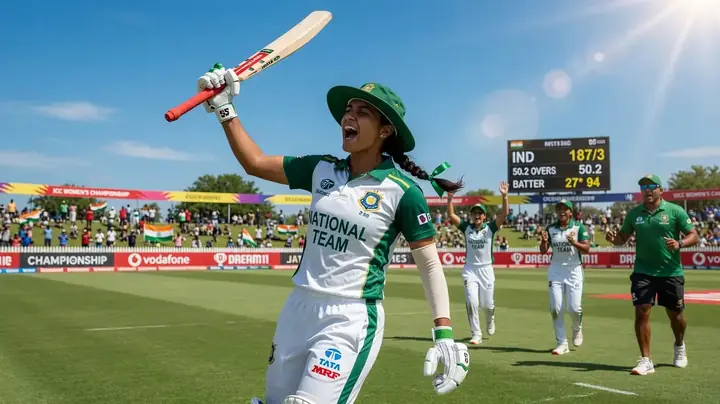
Read a dated pre-match preview
Venue, conditions, probable XI, risk flags, and a post-toss update placeholder.
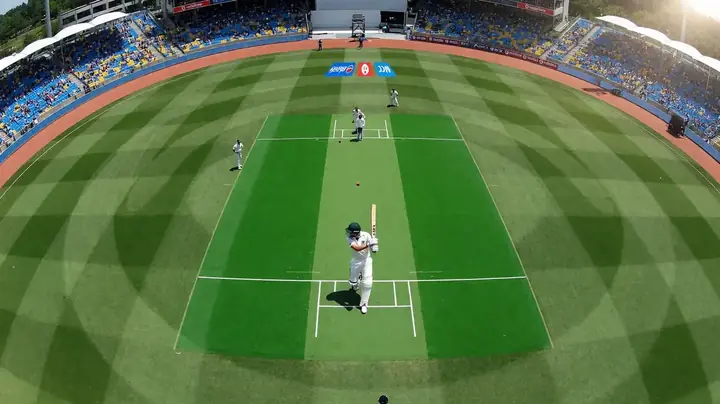
Decode the points system
T20, ODI, T10 and Test. Worked examples and per-format notes you can scan in a minute.
Research a team or a player
Role changes, recent usage, batting position, bowling allocation, injuries, and squad status.
Keep the habit healthy
Loss limits, time controls, self-exclusion guidance, and how to recognise the warning signs.
Read the fine print, then read it again.
Fantasy sports can be a fun way to engage with the matches you already love. The desk keeps the coverage honest by surfacing the rules you might skip on a small screen: the contest entry fee, the deadline, the payout structure, the eligible jurisdictions, and the responsible-play tools the platform offers.
18+ only
You must be at least 18 years old to play. The desk will not feature offers aimed at minors.
Jurisdictions vary
Skill-based fantasy is treated differently across Indian states. Read the legal status page before you sign up.
Set a loss limit
Decide a weekly loss limit before you start. If the limit is hit, stop and do not chase the loss.
Self-exclusion
Every reputable platform offers a self-exclusion tool. Use it if you need to. The desk links to it from the responsible play page.